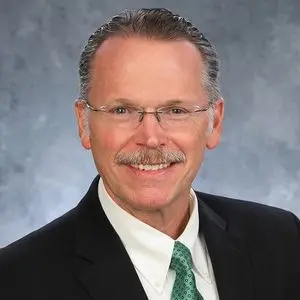
This legislative session, Representative Steve Gander (R–East Grand Forks) helped secure major investments for communities across District 1B, delivering critical funding for water infrastructure, flood mitigation, aviation safety, agriculture, and food access projects that will support families across Northwest Minnesota for years to come.
Among the largest wins this session is $9.7 million for Phase 1 of the West Central Regional Water System, expanding reliable potable water infrastructure across Norman, Clay, and Polk Counties.
“Clean water is not some luxury item,” Gander said. “It’s something folks in larger cities don’t even think about because they assume it will always be there. But in rural Minnesota, communities carry the stress of aging systems every single day. This investment means families can spend less time worrying at the kitchen sink and more time focused on raising their children, growing businesses, and keeping rural Minnesota strong.”
Gander also helped secure significant funding for flood mitigation projects throughout the Red River Basin, including investments tied to the Mustinka River Rehabilitation Project, the Klondike Clean Water Retention Project, Cass County flood mitigation, and the Roseau Lake Rehabilitation Project.
“If you’ve lived in the Red River Valley long enough, you know flooding is not a matter of ‘if’, but more so a matter of ‘when,’” Gander said. “We can’t keep asking communities to mop up and rebuild every time the water rises. At some point, we’ve got to get ahead of it and prevent future problems before they happen.”
Additional investments secured this session include funding to improve aviation and medical transport infrastructure through the use of unmanned aircraft systems capable of delivering medical supplies to rural areas.
“In rural Minnesota, distance matters,” Gander said. “Most folks in St. Paul can drive five minutes and pass three pharmacies and two hospitals. Around here, a ‘quick trip’ can be an hour. If there’s technology that helps get medicine or emergency supplies to folks faster, then we ought to be investing in it!”
The bonding bill additionally secured more than $2 million for upgrades to the Minnesota Department of Agriculture Potato Inspection Facility in East Grand Forks, supporting one of the region’s cornerstone industries.
Gander also worked for the passage of the Regional Food Bank Grant Program, which provides ongoing support to regional food banks and tribal governments helping families facing food insecurity.
“It breaks your heart hearing from families who never thought they would need help putting food on the table,” Gander said. “But when groceries cost what they do now, more and more people are swallowing their pride and asking for help. Supporting food shelves is not political at all—it is basic human decency.”
Northwestern Minnesota is the only region in the state without a Level IV Educational Facility for students with high behavioral needs. After many years of work by local educators, school administrators, and elected officials, it will now become a reality for 11-13 school districts across the region. This year’s bonding bill allocates $6.5 million toward the facility.
“I am pleased to continue the effort begun by Senator Mark Johnson (R–East Grand Forks), Representative John Burkel (R–Badger), and our local and regional education professionals to make this happen,” Gander said. “Testifying before the bonding committee this year, we all became convinced that this is an idea whose time has come.”
While proud of the wins secured this session, Gander acknowledged there are still important projects left unfinished. He noted that he is already exploring opportunities through the Minnesota Local Road Improvement Program to secure funding for Red Lake Falls infrastructure improvements and will continue pushing future bonding requests for East Grand Forks projects, including industrial park infrastructure and water tower repairs. The Border-City Tax Bill will have to wait another year due to one committee co-chair who blocked all local tax bills across the entire state, undermining economic development and expansion.
“At the end of the day, rural Minnesota does not need empty promises—we like to get things done,” Gander said. “These communities have spent generations feeding the nation through agricultural output, powering this state’s economy, and raising good families. I’m going to keep fighting to make sure the state does its part to serve greater Minnesota.”